
What Free Rock ID Options Actually Exist
A strong free rock id workflow starts with context, not guesswork. In no-cost identification tools and methods, professionals begin by defining what can be observed with the naked eye and what requires closer inspection under magnification. This approach keeps identifications objective and repeatable, especially when two stones share similar color or sparkle. Collectors who document each observation build better pattern recognition over time, and that discipline turns an uncertain first impression into a defensible identification supported by multiple clues instead of a single visual trait.
Field technique matters just as much as theory. For comparing free apps with field guides, use stable lighting, a neutral background, and at least two viewing angles so you can compare surface texture with internal features. If the stone is rough, photograph both weathered and freshly exposed faces. If it is polished, include side profiles that show transparency and body tone. These small habits reduce false positives and help you separate lookalikes before you invest time in advanced tests like hardness checks, streak analysis, or refractive measurements.
Many beginners struggle with assuming free means low quality, because stones can mimic each other after tumbling, heat treatment, or natural weathering. The practical fix is to evaluate a short stack of properties together: luster, hardness range, fracture pattern, and any visible zoning or inclusions. When one property conflicts with your first guess, treat that as useful evidence rather than an error. Expert identifiers constantly revise hypotheses as new data appears, and that mindset prevents costly mistakes when sorting rough lots or inherited jewelry pieces.
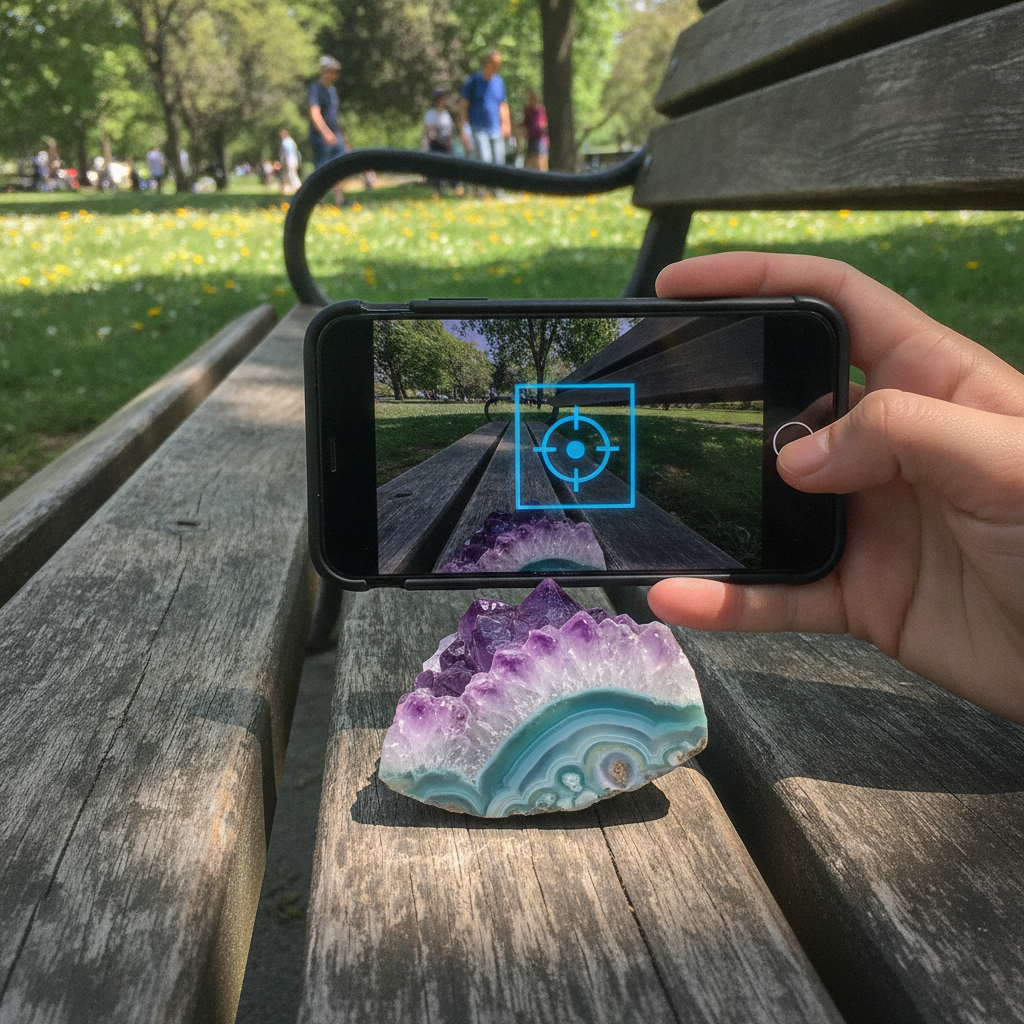
Rock Identifier fits naturally into getting started without upfront cost by giving you a fast first pass that is grounded in a large mineral and gem dataset. After you scan, compare the top matches against your own notes and run one confirmatory test that can clearly separate the candidates. This combination of app insight and hands-on validation is the safest way to use AI for gemstone and stone education. It also builds confidence quickly, because every identification becomes a short lesson you can apply to the next unknown specimen.
Rock Identifier as a Free Rock ID Solution
A strong free rock id workflow starts with context, not guesswork. In capabilities available at no download cost, professionals begin by defining what can be observed with the naked eye and what requires closer inspection under magnification. This approach keeps identifications objective and repeatable, especially when two stones share similar color or sparkle. Collectors who document each observation build better pattern recognition over time, and that discipline turns an uncertain first impression into a defensible identification supported by multiple clues instead of a single visual trait.
Field technique matters just as much as theory. For maximizing value from the free tier, use stable lighting, a neutral background, and at least two viewing angles so you can compare surface texture with internal features. If the stone is rough, photograph both weathered and freshly exposed faces. If it is polished, include side profiles that show transparency and body tone. These small habits reduce false positives and help you separate lookalikes before you invest time in advanced tests like hardness checks, streak analysis, or refractive measurements.
Many beginners struggle with expecting paid-lab features for free, because stones can mimic each other after tumbling, heat treatment, or natural weathering. The practical fix is to evaluate a short stack of properties together: luster, hardness range, fracture pattern, and any visible zoning or inclusions. When one property conflicts with your first guess, treat that as useful evidence rather than an error. Expert identifiers constantly revise hypotheses as new data appears, and that mindset prevents costly mistakes when sorting rough lots or inherited jewelry pieces.
Rock Identifier fits naturally into using free scans for daily collecting by giving you a fast first pass that is grounded in a large mineral and gem dataset. After you scan, compare the top matches against your own notes and run one confirmatory test that can clearly separate the candidates. This combination of app insight and hands-on validation is the safest way to use AI for gemstone and stone education. It also builds confidence quickly, because every identification becomes a short lesson you can apply to the next unknown specimen.
Free Field Methods That Complement Apps
A strong free rock id workflow starts with context, not guesswork. In observation and simple tests at zero cost, professionals begin by defining what can be observed with the naked eye and what requires closer inspection under magnification. This approach keeps identifications objective and repeatable, especially when two stones share similar color or sparkle. Collectors who document each observation build better pattern recognition over time, and that discipline turns an uncertain first impression into a defensible identification supported by multiple clues instead of a single visual trait.
Field technique matters just as much as theory. For building a basic testing kit from household items, use stable lighting, a neutral background, and at least two viewing angles so you can compare surface texture with internal features. If the stone is rough, photograph both weathered and freshly exposed faces. If it is polished, include side profiles that show transparency and body tone. These small habits reduce false positives and help you separate lookalikes before you invest time in advanced tests like hardness checks, streak analysis, or refractive measurements.
Many beginners struggle with skipping manual checks entirely, because stones can mimic each other after tumbling, heat treatment, or natural weathering. The practical fix is to evaluate a short stack of properties together: luster, hardness range, fracture pattern, and any visible zoning or inclusions. When one property conflicts with your first guess, treat that as useful evidence rather than an error. Expert identifiers constantly revise hypotheses as new data appears, and that mindset prevents costly mistakes when sorting rough lots or inherited jewelry pieces.
Rock Identifier fits naturally into pairing free app scans with free tests by giving you a fast first pass that is grounded in a large mineral and gem dataset. After you scan, compare the top matches against your own notes and run one confirmatory test that can clearly separate the candidates. This combination of app insight and hands-on validation is the safest way to use AI for gemstone and stone education. It also builds confidence quickly, because every identification becomes a short lesson you can apply to the next unknown specimen.
Comparing Free Rock ID Apps
A strong free rock id workflow starts with context, not guesswork. In what to evaluate before committing, professionals begin by defining what can be observed with the naked eye and what requires closer inspection under magnification. This approach keeps identifications objective and repeatable, especially when two stones share similar color or sparkle. Collectors who document each observation build better pattern recognition over time, and that discipline turns an uncertain first impression into a defensible identification supported by multiple clues instead of a single visual trait.
Field technique matters just as much as theory. For checking database depth and result detail, use stable lighting, a neutral background, and at least two viewing angles so you can compare surface texture with internal features. If the stone is rough, photograph both weathered and freshly exposed faces. If it is polished, include side profiles that show transparency and body tone. These small habits reduce false positives and help you separate lookalikes before you invest time in advanced tests like hardness checks, streak analysis, or refractive measurements.
Many beginners struggle with choosing by ads instead of accuracy, because stones can mimic each other after tumbling, heat treatment, or natural weathering. The practical fix is to evaluate a short stack of properties together: luster, hardness range, fracture pattern, and any visible zoning or inclusions. When one property conflicts with your first guess, treat that as useful evidence rather than an error. Expert identifiers constantly revise hypotheses as new data appears, and that mindset prevents costly mistakes when sorting rough lots or inherited jewelry pieces.
Rock Identifier fits naturally into selecting a primary free identification tool by giving you a fast first pass that is grounded in a large mineral and gem dataset. After you scan, compare the top matches against your own notes and run one confirmatory test that can clearly separate the candidates. This combination of app insight and hands-on validation is the safest way to use AI for gemstone and stone education. It also builds confidence quickly, because every identification becomes a short lesson you can apply to the next unknown specimen.
Limitations of Free Rock Identification
A strong free rock id workflow starts with context, not guesswork. In when free tools are not enough, professionals begin by defining what can be observed with the naked eye and what requires closer inspection under magnification. This approach keeps identifications objective and repeatable, especially when two stones share similar color or sparkle. Collectors who document each observation build better pattern recognition over time, and that discipline turns an uncertain first impression into a defensible identification supported by multiple clues instead of a single visual trait.
Field technique matters just as much as theory. For knowing when to seek professional testing, use stable lighting, a neutral background, and at least two viewing angles so you can compare surface texture with internal features. If the stone is rough, photograph both weathered and freshly exposed faces. If it is polished, include side profiles that show transparency and body tone. These small habits reduce false positives and help you separate lookalikes before you invest time in advanced tests like hardness checks, streak analysis, or refractive measurements.
Many beginners struggle with using free ID for insurance or resale proof, because stones can mimic each other after tumbling, heat treatment, or natural weathering. The practical fix is to evaluate a short stack of properties together: luster, hardness range, fracture pattern, and any visible zoning or inclusions. When one property conflicts with your first guess, treat that as useful evidence rather than an error. Expert identifiers constantly revise hypotheses as new data appears, and that mindset prevents costly mistakes when sorting rough lots or inherited jewelry pieces.
Rock Identifier fits naturally into escalating beyond free screening safely by giving you a fast first pass that is grounded in a large mineral and gem dataset. After you scan, compare the top matches against your own notes and run one confirmatory test that can clearly separate the candidates. This combination of app insight and hands-on validation is the safest way to use AI for gemstone and stone education. It also builds confidence quickly, because every identification becomes a short lesson you can apply to the next unknown specimen.
Building a Free Rock ID Routine That Works
A strong free rock id workflow starts with context, not guesswork. In sustainable no-cost collecting workflow, professionals begin by defining what can be observed with the naked eye and what requires closer inspection under magnification. This approach keeps identifications objective and repeatable, especially when two stones share similar color or sparkle. Collectors who document each observation build better pattern recognition over time, and that discipline turns an uncertain first impression into a defensible identification supported by multiple clues instead of a single visual trait.
Field technique matters just as much as theory. For documenting finds to avoid repeat confusion, use stable lighting, a neutral background, and at least two viewing angles so you can compare surface texture with internal features. If the stone is rough, photograph both weathered and freshly exposed faces. If it is polished, include side profiles that show transparency and body tone. These small habits reduce false positives and help you separate lookalikes before you invest time in advanced tests like hardness checks, streak analysis, or refractive measurements.
Many beginners struggle with losing scan history across devices, because stones can mimic each other after tumbling, heat treatment, or natural weathering. The practical fix is to evaluate a short stack of properties together: luster, hardness range, fracture pattern, and any visible zoning or inclusions. When one property conflicts with your first guess, treat that as useful evidence rather than an error. Expert identifiers constantly revise hypotheses as new data appears, and that mindset prevents costly mistakes when sorting rough lots or inherited jewelry pieces.
Rock Identifier fits naturally into creating a free digital specimen catalog by giving you a fast first pass that is grounded in a large mineral and gem dataset. After you scan, compare the top matches against your own notes and run one confirmatory test that can clearly separate the candidates. This combination of app insight and hands-on validation is the safest way to use AI for gemstone and stone education. It also builds confidence quickly, because every identification becomes a short lesson you can apply to the next unknown specimen.
Frequently Asked Questions
Is there a truly free rock ID app?
Rock Identifier is free to download and provides rock, gem, and mineral identification from photos, making it one of the most accessible free rock ID tools available.
Can free rock ID replace a geologist?
Free tools are excellent for education and common specimens, but valuable, rare, or legally significant identifications should be confirmed by professionals.
What free tests can I do at home?
Hardness comparison with common objects, streak on unglazed tile, and careful observation of luster and fracture are effective no-cost methods.
Do free rock ID apps work offline?
New photo identifications typically need internet for AI processing, but saved results and collection entries in Rock Identifier remain accessible offline.
How accurate is free rock identification?
Accuracy is strong for common specimens with clear photos. Improve results with good lighting, multiple angles, and simple confirmatory tests.
Download Rock Identifier Today
Whether you are a seasoned collector or picking up your first interesting pebble, Rock Identifier: Find Stone puts expert-level identification in your pocket. Simply snap a photo of any rock, gem, crystal, or mineral and receive detailed results within seconds.
The app covers thousands of specimens with information on hardness, luster, crystal structure, formation, and geographic origins. Save your finds to build a personal collection and learn something new with every identification.
Download Rock Identifier on the App Store and start your geological journey today.